
Gyere hozzánk podcastet készíteni!

Bérelhető a Mandiner korszerű stúdiója, mutatjuk a részleteket!


Tájékoztatjuk olvasóinkat, hogy a Mandiner tartalomszolgáltatása megszűnt, azon kizárólag korábban közzétett archív tartalmak érhetők el.

The whole European currency scheme was both brilliant and crazy.

„The whole European currency scheme was both brilliant and crazy. It was brilliant because Europe should have a united currency. In fact, the whole world should have a united currency. Once upon a time, it did. It was called the gold standard. National currencies were just another name for the same core thing — a nationalist spin on a global consensus. If some country had waved around an unbacked piece of paper and called it money, no one would have taken it seriously.
And the gold standard was internally policing. If one country debauched the currency, gold would flow out, the thing would lose credibility, and capital would flee to places that took sound finance seriously. Governments were restrained, the hands of politicians were tied (they could only spend what they could overtly steal), and markets ruled the day. The politicians hated it but markets were free, stable, and growing.


So, yes, there is a case for single currencies in regions or even the entire world. Truly, why should people and multinational commercial institutions have to go through the ridiculous headache of changing currencies at the border? This is just pointless. Imagine if an inch meant something different in every country and you had to come to a new understanding of its meaning in order to build on this as versus that side of the border? Markets don’t like this kind of pointless exercise. The natural market tendency is toward unity in what matters (money) and disunity where it matters (competition and entrepreneurship).
So the European elites who cobbled together the Euro after many decades of planning played to that sense, and developed a reasonable expectation of a wonderful Europe united with peace and free trade, all with a single currency. It seemed like a recreation of an older, freer, more wonderful world. So why not?
Here’s why not: the gold standard no longer exists. It hasn’t existed since the politicians destroyed the last remnants of it in the early 1970s. And it was in 1970 that the idea of a single currency for Europe went from the dream stage to the planning stage. At the end of the gold standard, the idea should have been dropped but it was not. The planning elites had it in their heads that this was the only way forward, and nothing would stop them.”
Bérelhető a Mandiner korszerű stúdiója, mutatjuk a részleteket!
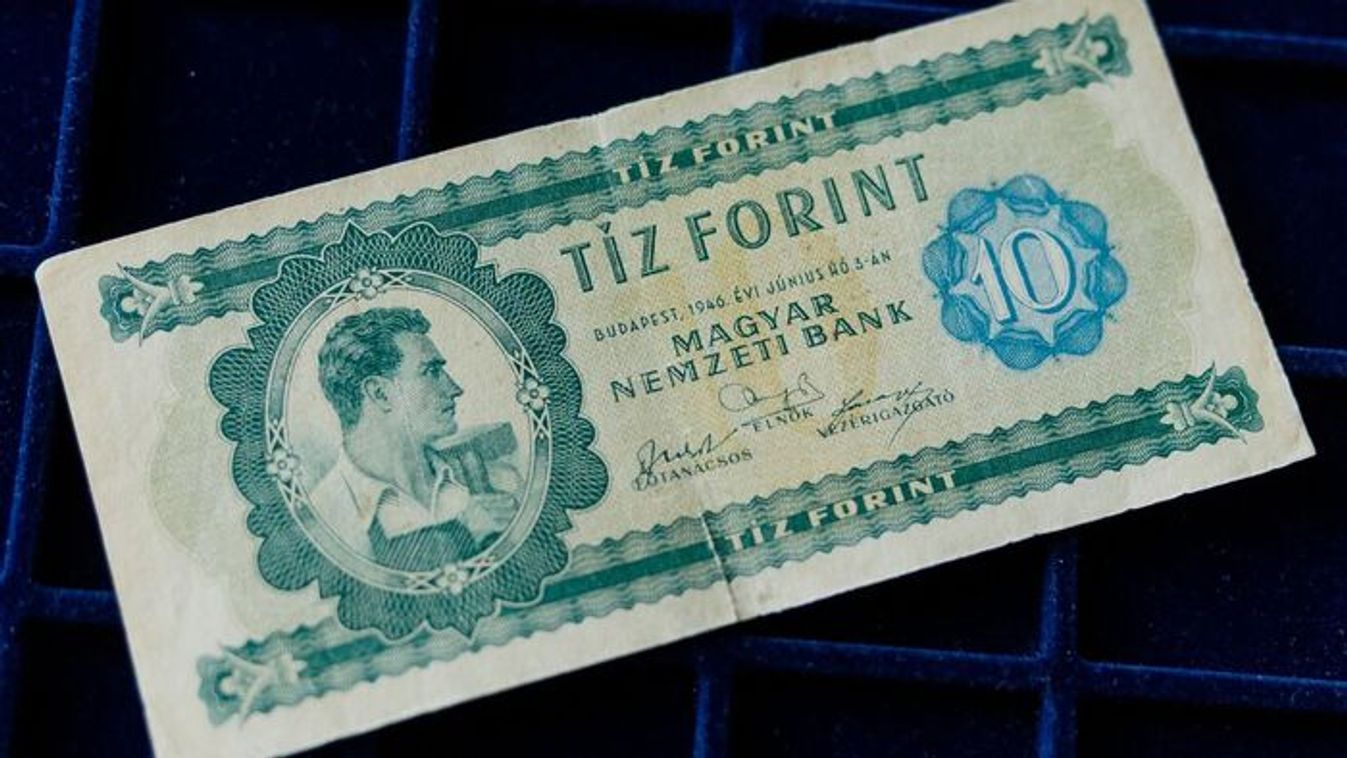
Jelentősen gyengült szerdán a forint a vezető devizákkal szemben. A hátterében több nemzetközi piaci tényező is állhat, azonban az sincs kizárva, hogy a héten benyújtott tiszás költségvetési módosítás és az abban prognosztizált államadósság-növekedés, piaci bizalomvesztés okozhatja a gyengülést.
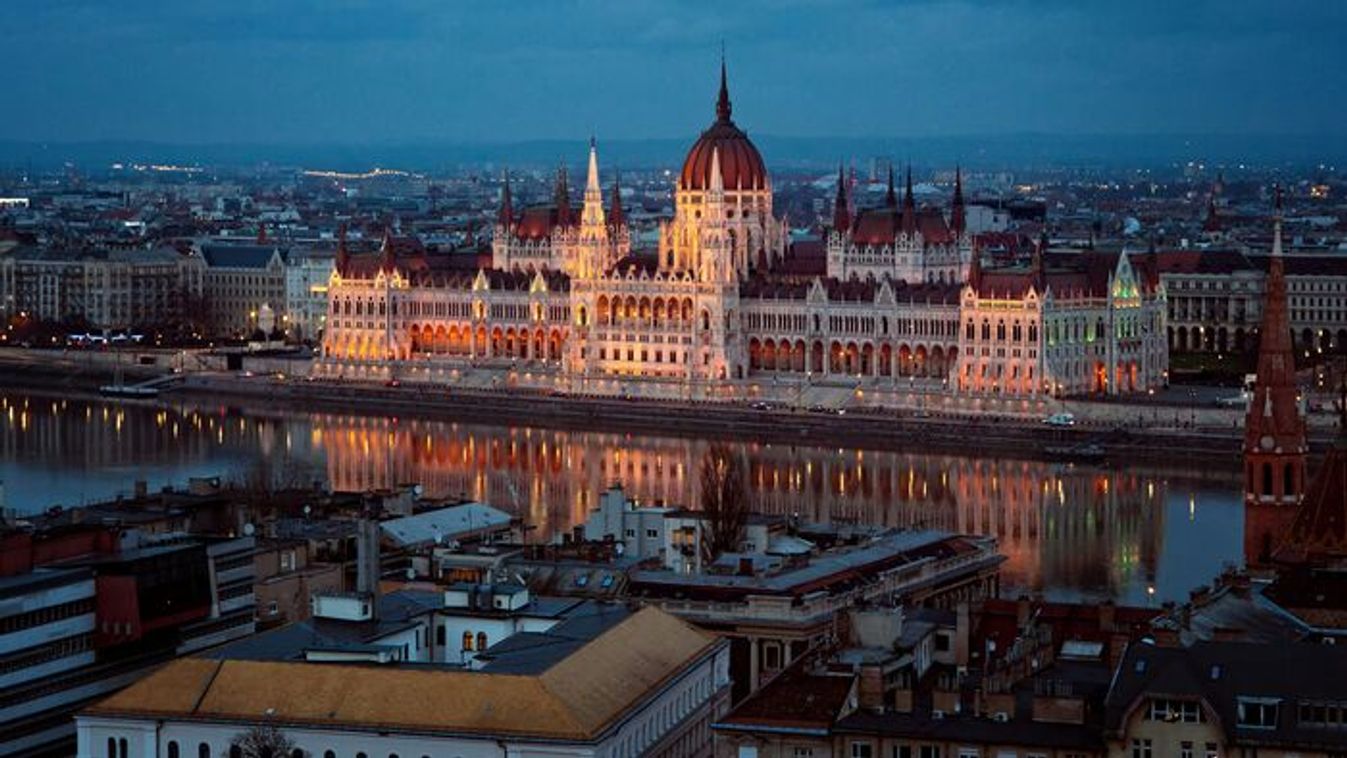
A forint gyengült és az optimitmus is.


Nagyon durván bezuhantak a beruházások!

Wopke Hoekstra, az EU éghajlatügyi biztosa arra figyelmeztet, hogy a költségek további spirálszerű emelkedésének megakadályozása érdekében az európai kormányoknak hatalmas összegeket kell befektetniük az országaik éghajlati ellenálló képességét növelő intézkedésekbe.
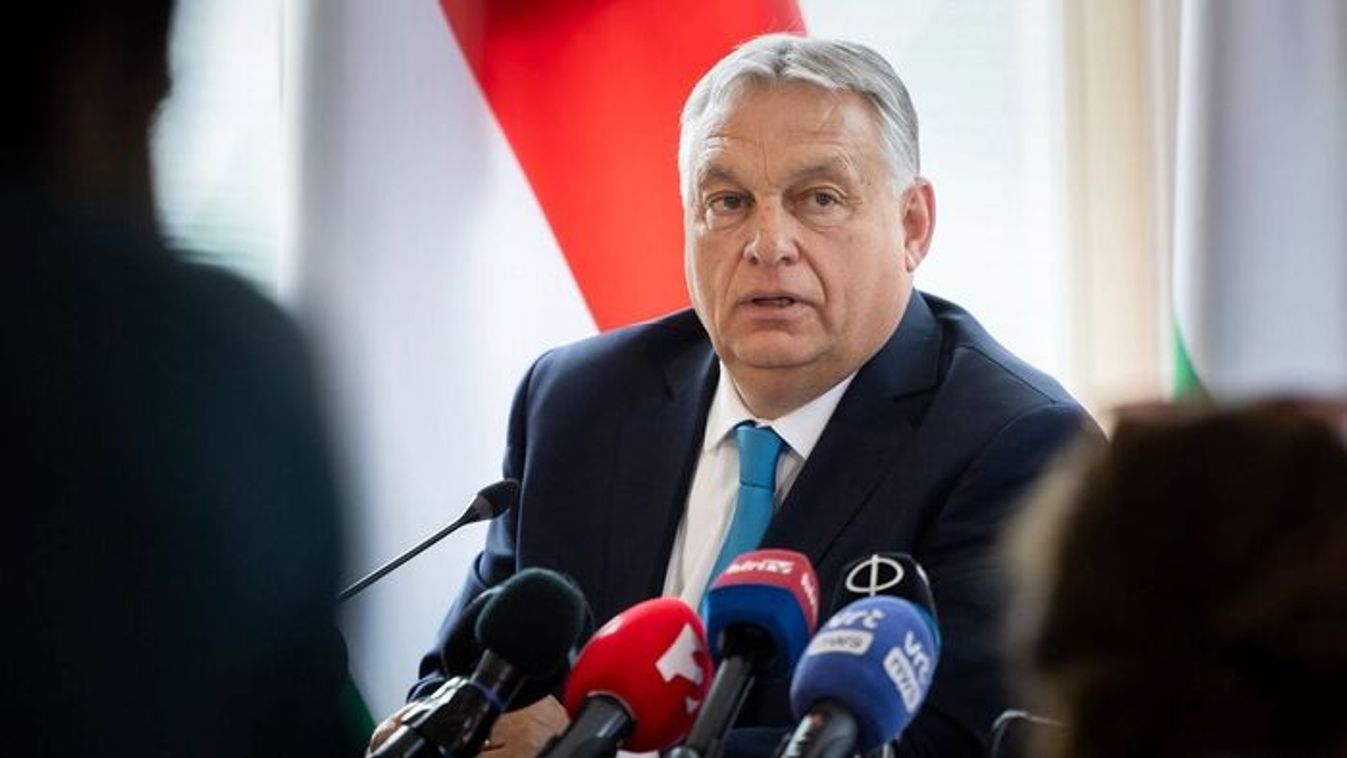
A magyar gazdaságban megtermelt jövedelem egyre nagyobb része jutott hazai szereplőkhöz 2010 és 2024 között: ezen a téren Magyarország az Európai Unió élmezőnyébe került.