Gyere hozzánk podcastet készíteni!

Bérelhető a Mandiner korszerű stúdiója, mutatjuk a részleteket!


Tájékoztatjuk olvasóinkat, hogy a Mandiner tartalomszolgáltatása megszűnt, azon kizárólag korábban közzétett archív tartalmak érhetők el.

It is not, of course, as if the Left has regarded Hungary’s electoral system as immutable.

„It is worth taking a look at the facts: how has the Hungarian electoral system changed? In the past all the parties have spoken spoke eloquently about the need to significantly reduce the number of seats in Parliament, but this remained nothing but an empty promise until 2010. As far as ordinary voters are concerned the only truly perceivable change will be that the elections will consist of a single round. Even that will not represent a huge change due to the increasing number of first-round victories in individual constituencies where the winning candidate obtains more than 50 per cent of the vote, one third of the country’s constituencies in 2006 and in two thirds in 2010.
Bérelhető a Mandiner korszerű stúdiója, mutatjuk a részleteket!
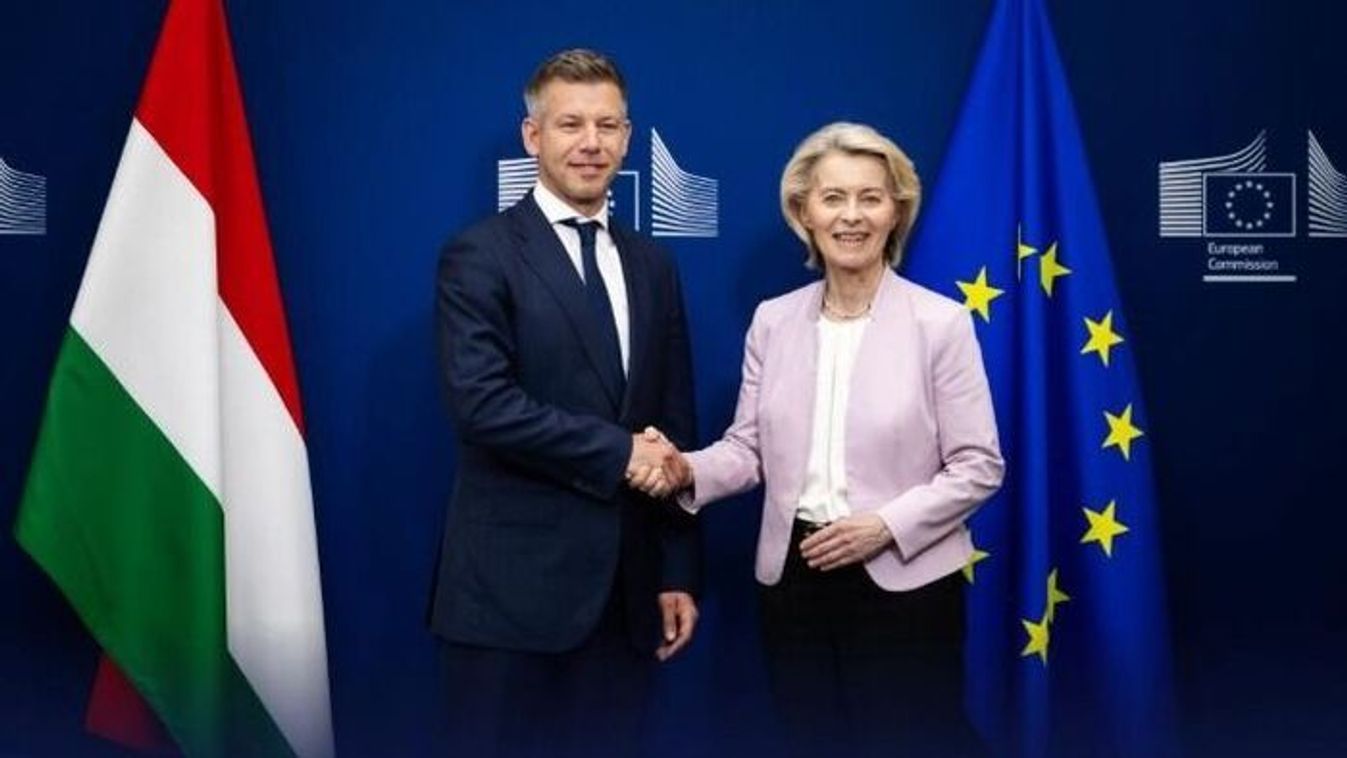
Gábor Holló also supported the Tisza Party by financing opinion polls, and he also provided news-reading traffic to Kontroll through his media outlets free of charge. Kontroll.hu is headed by the current Hungarian prime minister's brother.
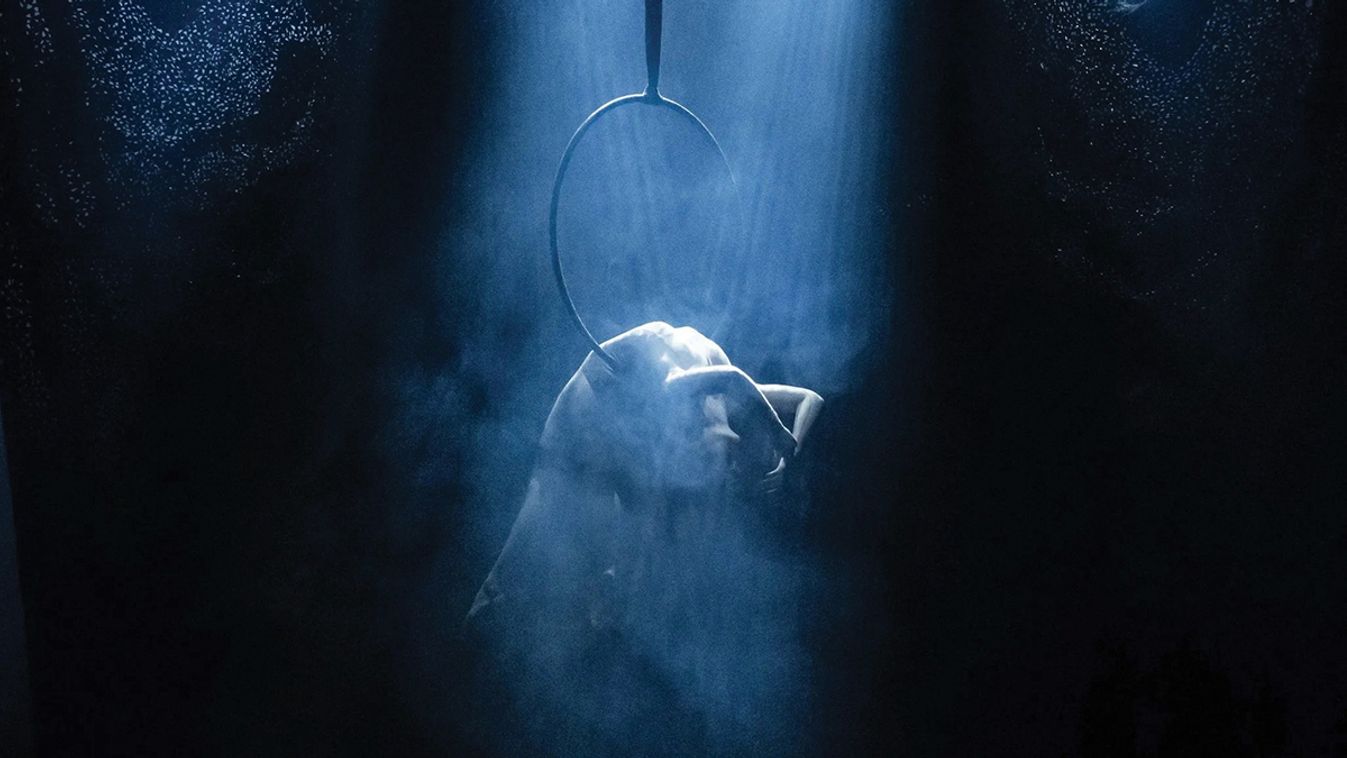
Lenyűgöző előadás, amelyben a szereplők nemcsak az emberi test korlátait feszegetik, hanem arra a kérdésre is választ keresnek, elérheti-e az ember a szeretet legmagasabb fokát.
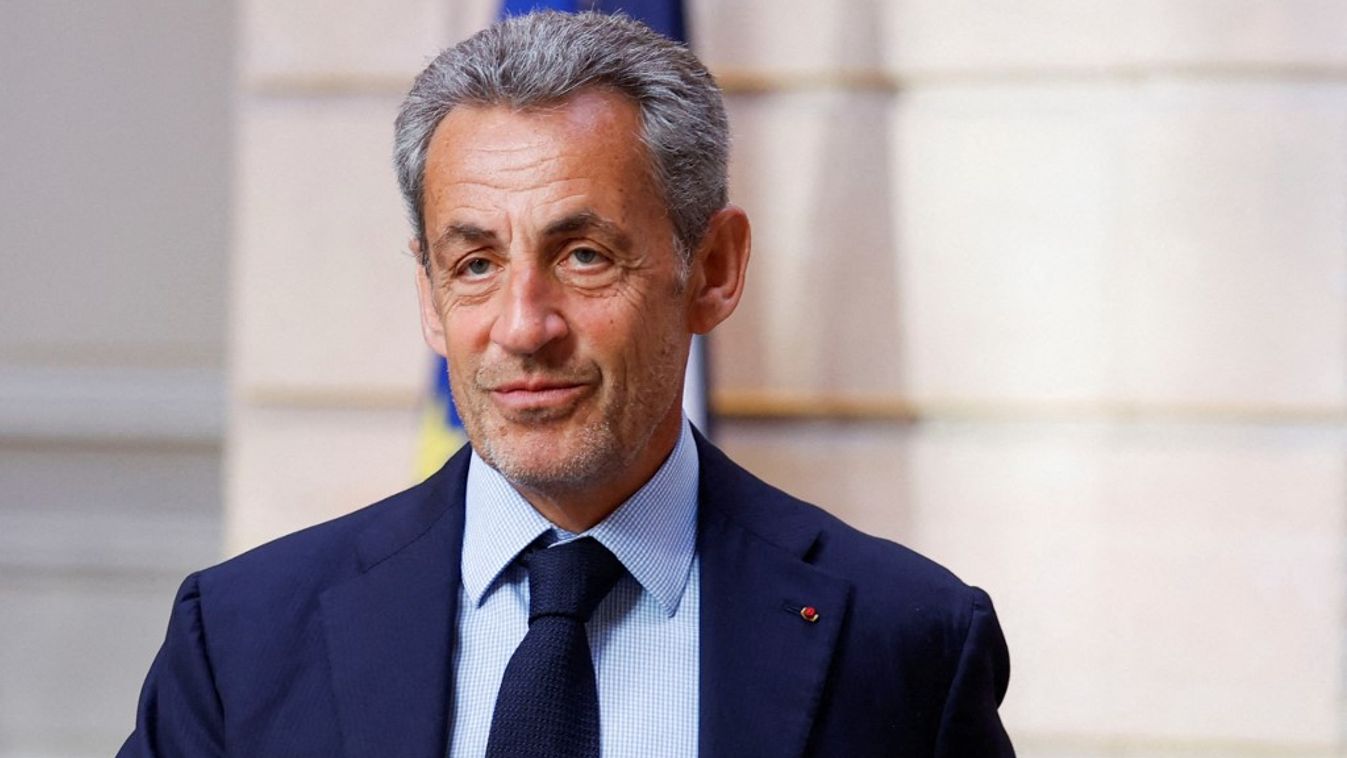
According to the former French president, who has long maintaine an excellent relationship with Orban, restoring communication channels is the first step on the road to peace.

Germans are only able to look at Europe's map from their own perspective and can't accept that Hungary's perspective is different – says Prof. Werner Patzelt in an interview with Mandiner.