
Gyere hozzánk podcastet készíteni!

Bérelhető a Mandiner korszerű stúdiója, mutatjuk a részleteket!


Tájékoztatjuk olvasóinkat, hogy a Mandiner tartalomszolgáltatása megszűnt, azon kizárólag korábban közzétett archív tartalmak érhetők el.

Technology is constantly changing the degree of privacy that people may expect, and the courts in response change constitutional rules to those new technologies. The effect is to try to maintain the same rough balance of privacy as technology changes– says Orin Kerr, Professor of Law at the University of Southern California Gould School of Law during a conversation with Lénárd Sándor, researcher at the American Studies Research Institute of the National University of Public Service, located in Budapest.

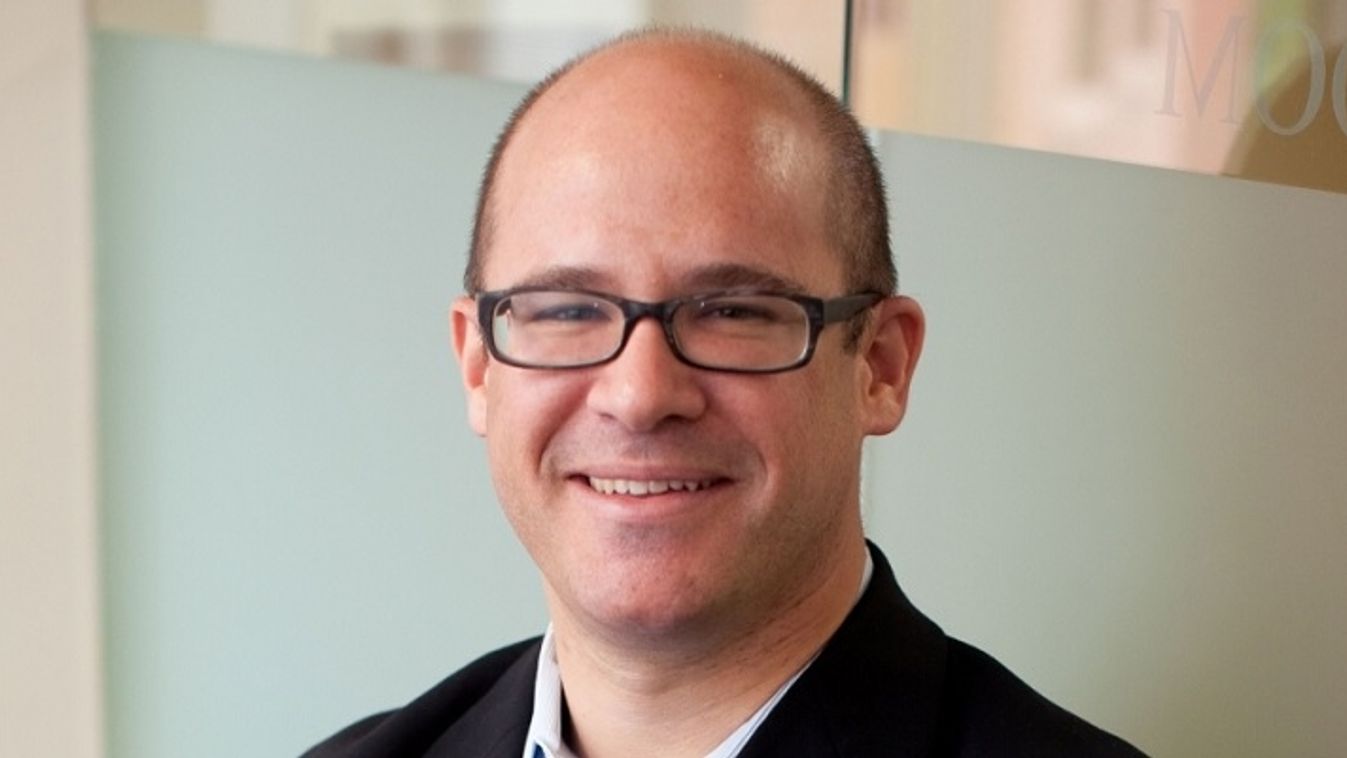
Lénárd Sándor: One of the unique characteristics of the Bill of Rights of the United States is that it does not have a specific clause to protect privacy. Instead, the Fourth Amendment protects the right of the people “to be secure in their persons, houses, papers, and effects, against unreasonable searches and seizures.” Can you shed some lights on the drafting of this unique amendment as well as on its historical evolution?
Orin Kerr: The Fourth Amendment was largely a codification of English law, and in particular a set of decisions in the mid 18th century that recognized limits on the English King’s authority. The most famous example was Entick v. Carrington, from 1765, in which the court rejected the legality of so-called “general warrants,” orders that allowed government officials to search widely without specifically describing the property the agents could seize. The text of the Fourth Amendment is on general warrants largely focused on that prohibition, as the second phrase does so directly: “no Warrants shall issue, but upon probable cause, supported by Oath or affirmation, and particularly describing the place to be searched, and the persons or things to be seized.”


L. S.: And what is the major function of the Fourth Amedment today?
O. K.: Today the focus of the Fourth Amendment is more often on the first phrase, the general prohibition on unreasonable searches and seizures in their persons, houses, papers, and effects. The Supreme Court has interpreted that phrase over time to implement a general code of criminal procedure that limits government investigations.
L. S.: Justice Samuel Alito wrote in United States v. Jones in 2012 that in the pre-computer age the greatest protection of privacy were neither constitutional, nor statutory but they were practical. Carrying out traditional surveillance for an extended period of time used to be cumbersome and costly.
But can privacy still exist and can we still expect privacy when the world entered the digital era
where law enforcement has access to modern tracking methods with enormous surveillance potential?
O. K.: Yes, of course. Technology is constantly changing the degree of privacy that people may expect, and the courts in response change constitutional rules to those new technologies. The effect is to try to maintain the same rough balance of privacy as technology changes. I have called this process “equilibrium-adjustment,” and I think it explains a wide range of Fourth Amendment decisions. The most recent example is Carpenter v. United States (2018), in which the Supreme Court held that people have privacy rights in location records that cell phone providers generate and keep about their customers. The Court’s reasoning was complicated, but the basic idea was that there needed to be privacy rights in location records or else it would give the government enormous surveillance potential. In effect, the Supreme Court added privacy rights to limit the power of government, restoring the limits on government power that existed before cell phone technology.
L. S.: How do the emerging social media platforms alter the protection of privacy where law enforcement does not even need modern tracking technology to get access to information on many people’s life?
O. K.: Access to social media platforms is primary regulated by federal and state privacy statutes, most significantly the Wiretap Act and the Stored Communications Act of 1986. These statutes are designed to limit government access to third-party Internet records to protect privacy, and they apply to emerging social media platforms as well as older third party services. They require the government to get various kinds of legal process before they can obtain records from social media platforms. In addition to the statutory privacy laws, the Fourth Amendment plays a significant and growing role protecting privacy, as the recent Carpenter case indicates above. Broadly speaking, the goal of the law in this area is to try to maintain the level of privacy protection that exists as technology changes. Of course, different people will disagree on whether it has succeeded.
L. S.: With the still ongoing digital revolution, the role of the law enforcement along with the goal of policing has undergone major changes. Some experts are saying that while it used to be reactive and responsive, it increasingly becomes proactive. The technological capability of collecting and storing massive amount of data and metadata in an inexpensive and highly scalable way is clearly a game changer and gradually transforms the mission of the law enforcement agencies towards an intelligence-based preventive policing. How do you see this trend and what are the threats that they pose to the protection of privacy or to the Fourth Amendment?
O. K.: The trend you identify is a technological possibility, but I am skeptical that your description of actual practices is accurate.
Most law enforcement in our technological age is reactive and responsive, much like it was in the past.
Despite fears of some critics, I don’t think the mission of law enforcement agencies has actually changed to intelligence-based preventive policing. There are several practical and legal limits that prevent the proactive situation you suggest from happening, including costs, statutory privacy laws, the dubious efficacy of preventive policing, and changes in Fourth Amendment doctrine.
L. S.: Louis Brandeis, the famous Associate Justice of the Supreme Court in the first part of the 20th century, dissedented in the Olmstead v. United States (1928) case which refused to extend the protection of the Fourth Amendment to telephone conversation. He memorably wrote that “[t]he progress of science in furnishing the Government with means of espionage is not likely to stop with wiretapping.” He foresaw some of the decisive challenges of the 20th century. In your view what is the most urgent privacy right challenege ahead of the Supreme Court today?
O. K.: I don’t know if any privacy right challenges are particularly urgent for the Supreme Court. By design, the U.S. Supreme Court works slowly. It waits for lower courts to wrestle first with how the law should apply, and it usually steps in – if it does at all -- only a decade or more after the lower court rulings. Indeed, most major privacy law issues are never addressed by the Supreme Court. With that said, there are a few issues that lower courts have already disagreed on that I suspect the U.S. Supreme Court is likely to decide in the next five years. They include how the Fourth Amendment applies to border searches of computers, how the privacy search reconstruction doctrine should apply to computers, and how the Fifth Amendment applies to compelled decryption.
***
A cikk a Pallas Athéné Domeus Educationis Alapítvány támogatásával valósult meg.

Bérelhető a Mandiner korszerű stúdiója, mutatjuk a részleteket!
Tusk új liberális ügyészsége sorra emel vádat a jobboldali vezetők ellen, a PiS pedig politikai leszámolást emleget.

Hiába támadja az Európai Bizottság a gyermekvédelmi törvényt.

Fleck Zoltán nyilatkozatai jogi szempontból megalapozatlanok, Alaptörvény-ellenes logikára épülnek, veszélyes precedenst teremtenek a politikai erőszak relativizálásával.

Precedenst teremthettek volna a további nyomásgyakorlásra.

Brüsszel döntése aláásná az egyik legfontosabb uniós elvet.
A republikánus szenátor szerint „nincs más választás, mint Biden felelősségre vonása”.