Gyere hozzánk podcastet készíteni!

Bérelhető a Mandiner korszerű stúdiója, mutatjuk a részleteket!


Tájékoztatjuk olvasóinkat, hogy a Mandiner tartalomszolgáltatása megszűnt, azon kizárólag korábban közzétett archív tartalmak érhetők el.

Putin's enduring popularity provides a vindication of the way Russia is run. This is not a cause for congratulation.

„Putin's enduring popularity provides, for some, a vindication of the way Russia is run. This is not a cause for congratulation. The problem is not that Putin has lost touch with his people. It is the reverse: that his brand of »soft« authoritarian rule is all too representative of his people and their deepest fears. After the turmoil of the Gorbachev and Yeltsin period, stability and rulers whose behaviour you can predict come at a higher premium than change. There are practical reasons for this. For some they are economic. Each new ruler entails a redistribution of economic wealth. A lot of banks and businesses were carved up after Yuri Luzhkov's departure as the boss of Moscow. Are they run better now? Hardly. For others they are political. After Putin lies what, fascism?
The challenge posed by rulers who never go away is systemic. Touch one part of the vertical of power and the whole brittle structure collapses. There are professional economists who work within the system, but in the end, like Aleksei Kudrin, the finance minister who broke ranks on Sunday, or Andrei Illarionov before him, they are ejected. The system's inability to manage change, and the popular memory that change is only for the worse, are responsible for the emigration of Russia's best and brightest. Most never return. It is the only way of not growing old with Putin.”
Bérelhető a Mandiner korszerű stúdiója, mutatjuk a részleteket!
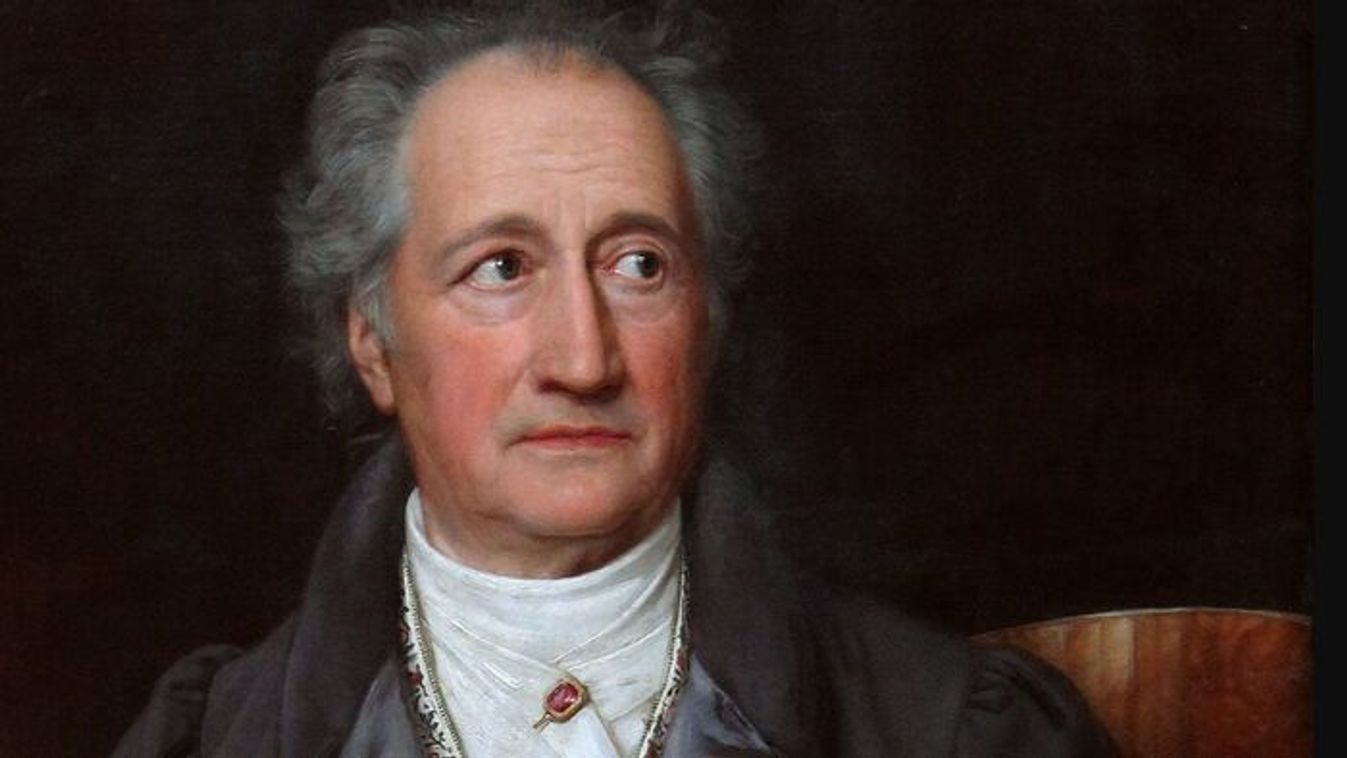
Fokozódik a német-orosz konfliktus.
A higgadtabbak azért talán igen.
Jut eszembe, az ÁVH (mely 1948-ban épp ilyentájt, szeptember elején alakult) vezetőjének, Péter Gábornak sem volt jogi végzettsége.
Szeretném jelezni.
De azért megpróbálkozom ezzel ismét.