

Mérföldkőhöz érkezett a Fidesz: kongresszus a hétvégén, utána Orbán Viktor megy Brüsszelbe
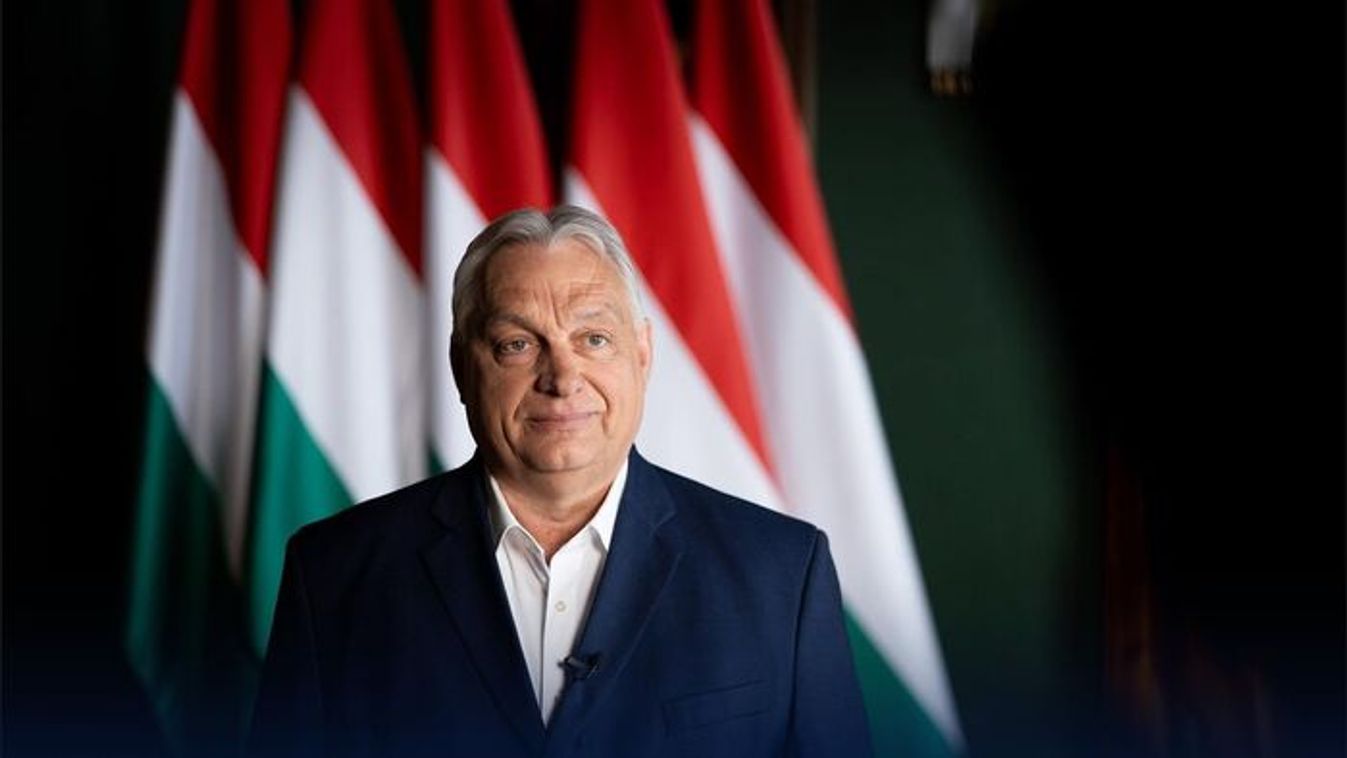
Orbán Viktor a hónap második felében Brüsszelben tárgyal, ahol részt vesz a Patrióták pártcsalád EU-csúcs előtti egyeztetésén is.



The problem lies entirely in how those powers are used: nobody trusts Viktor Orbán and Fidesz to use their powers responsibly.

„The real difference between Hungary under Orbán and classic British governments does not lie in the formal allocation of powers in the political system. The problem lies entirely in how those powers are used: nobody trusts Viktor Orbán and Fideusz to use their powers responsibly, as evidenced in the way that the government rammed the constitution itself through the Diet last year, with little willingness to give ground on issues of grave concern to important parts of Hungarian society. Orbán’s behavior betrays an authoritarian thin skin that would rather ban opposition than engage with it. The very act of using Fideusz’s supermajority to embed its policy preferences in the constitution can also be seen as an abuse of power: if it is voted out in the future, a government replacing Fideusz will need a supermajority to change things like the tax rate or the rules on gay marriage which ought to be matters for ordinary legislation.
By contrast, the »democratic dictatorship« constituted by the Westminster system has worked in English history because of the underlying moderation of English politics: while some may have been tempted, few prime ministers have sought to use their majorities to, for example, shut down the opposition press. The new Hungarian constitution is bad not so much for what it is, but what it reveals about the long-term proclivities of its authors.
There are two potential lessons to be drawn from this. First, in contemporary Europe, some of the most important institutional checks on power are those exercised by the EU and the broader international community, rather than anything within Hungary itself. Orbán has made a mess of Hungary’s economy, and he is being called on the carpet by the European parliament, the Commission, the IMF, and a host of other international bodies. This enforcement of democratic norms is one of the important functions that the EU and other international bodies play today.
Second, I wonder about the ultimate utility of tinkering with institutional rules that either add or subtract checks and balances to existing democratic systems. If the political will exists to do something even in a system with a lot of veto players, it will happen; conversely, bad actors can undo even the best-designed institutions. Maybe institutions don’t matter, after all.”
Orbán Viktor a hónap második felében Brüsszelben tárgyal, ahol részt vesz a Patrióták pártcsalád EU-csúcs előtti egyeztetésén is.
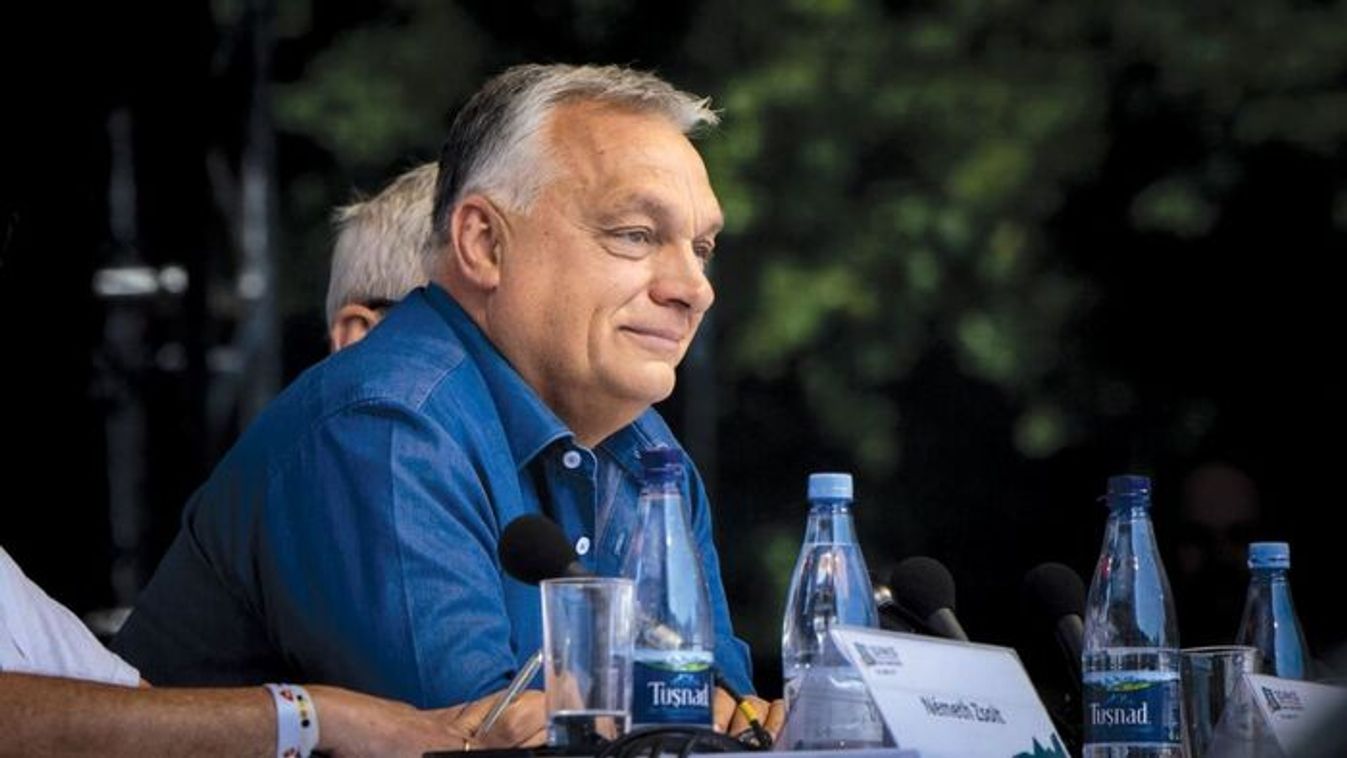
A választókerületi rendszer megszűnik, a Fidesz szervezete az önkormányzati rendszerhez igazodik, a pártban települési csoportok és megyei választmányok dolgoznak majd – közölte a Fidesz kommunikációs igazgatója.
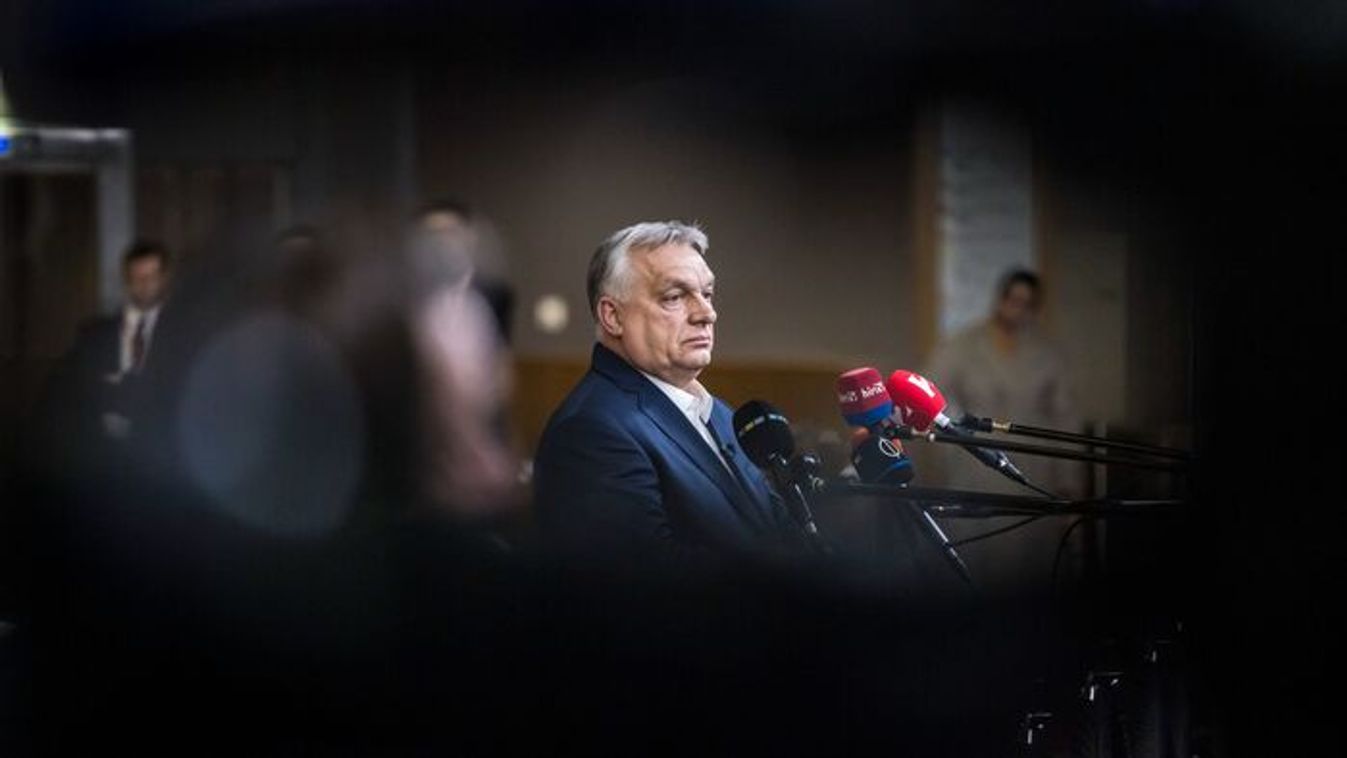
Havasi Bertalan elárulta: Orbán Viktor a Fidesz nemzetközi kapcsolatainak továbbépítésén is dolgozik.
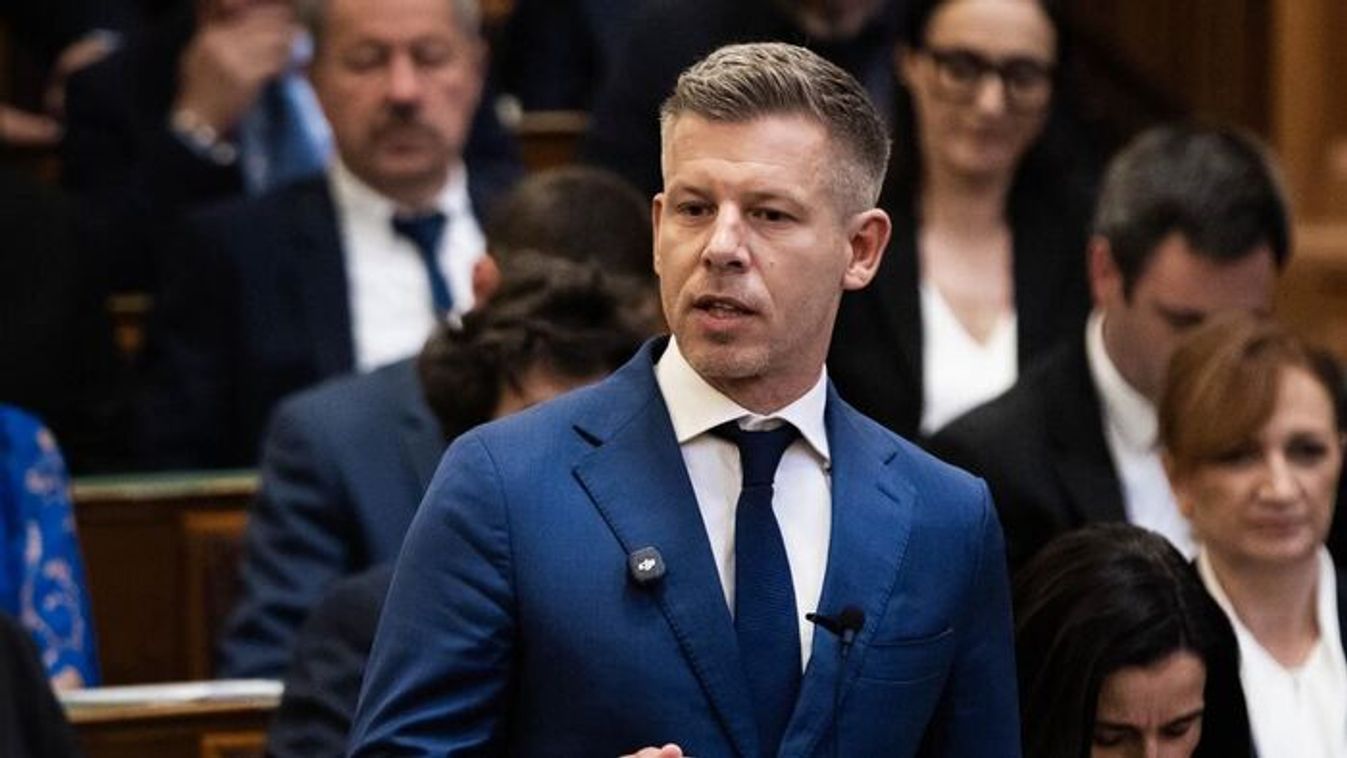
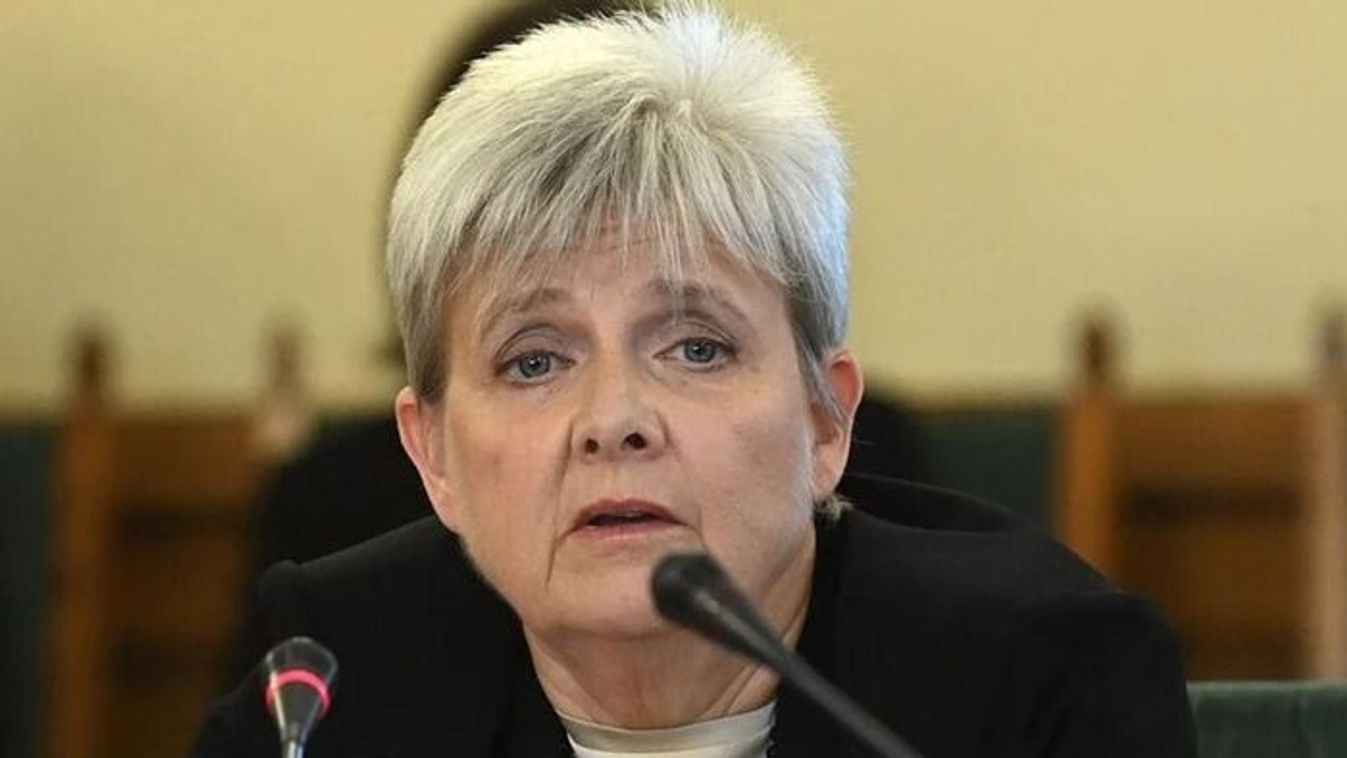
Dr. Erőss Pál unokája felmentette a KEHI vezetőjét.
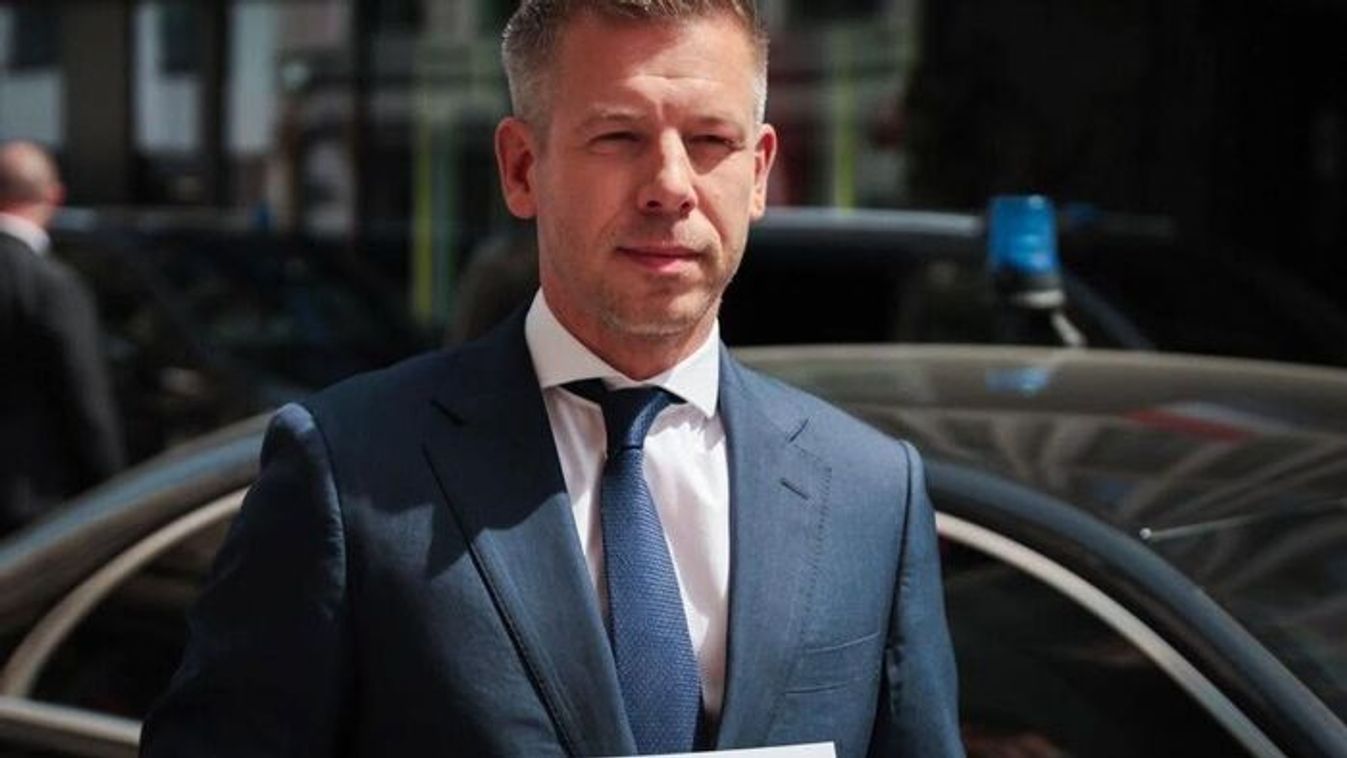
A Tisza-kormány megalakulása óta kérdéses, lesz-e további együttműködés MOL és Szerbia között.

„Ezzel valójában saját bűnösségét is beismerte a vitatható ügyletekben.”

Erőszakba torkolltak a belfasti migránstámadás miatt szervezett tiltakozások: a tüntetők felgyújtottak egy buszt, házakat támadtak meg és összecsaptak a rendőrséggel.
Csak a szuperbelpesti-és budai gigaprogresszívek párhuzamos valóságában ennyire pofonegyszerű, hogy a csúnya, rasszista egyházi sulik kirekesztik a cigány gyerekeket.